
What Is a Pacemaker?
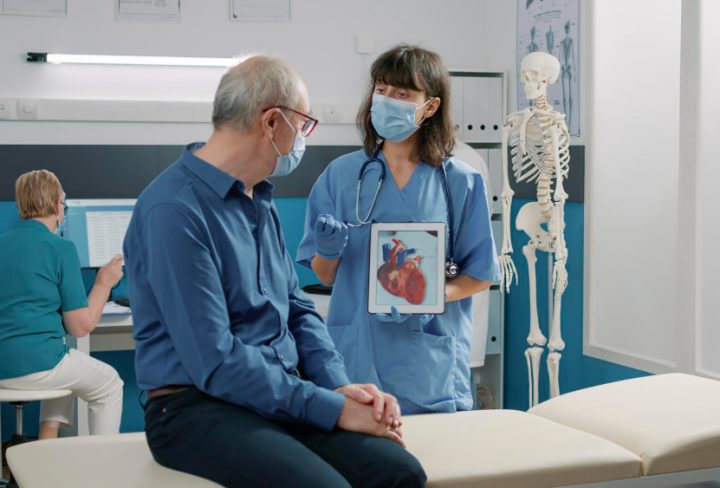
A pacemaker is a small medical device placed under the skin near the heart. Its main job is to help control slow or irregular heartbeats. Doctors use pacemakers to help people with certain heart problems. The device sends electrical signals to keep the heart beating at a steady rate. According to the World Health Organization, pacemakers can greatly improve quality of life for many patients.
Common Symptoms and Conditions Leading to Pacemaker Implantation
Some people need a pacemaker because their heart does not beat as it should. Often, symptoms may include:
Doctors may suggest pacemaker implantation for conditions like:
Because these symptoms can be serious, it is important to seek medical advice if you notice them.
How a Pacemaker Works
Basically, a pacemaker watches your heart’s rhythm. If it senses a slow or missed beat, it sends a gentle electrical pulse. This pulse helps your heart beat at a normal pace. In most cases, you will not feel these signals. However, the pacemaker keeps your heart working well, even during sleep or exercise.
Types of Pacemakers
There are several types of pacemakers. Each type is chosen based on your heart’s needs. Common types include:
Your doctor will choose the best type for you. This choice depends on your heart’s rhythm and your health.
The Pacemaker Implantation Procedure: What to Expect
Pacemaker implantation is usually a safe and simple procedure. First, you will get medicine to help you relax. Next, the doctor makes a small cut near your collarbone. Then, thin wires are placed in your heart through a vein. The pacemaker is attached to these wires and placed under your skin. The whole process often takes one to two hours. Most people go home the same or next day. Because the procedure is quick, recovery is usually smooth.
Recovery and Aftercare
After pacemaker implantation, you may feel sore near the cut for a few days. However, most people return to normal activities within a week. To help your recovery:
If you notice swelling, redness, or fever, contact your doctor right away. These could be signs of infection.
Living with a Pacemaker: Lifestyle Tips and Precautions
Most people live full, active lives with a pacemaker. Still, there are a few things to keep in mind:
Because pacemakers are designed to last, you can enjoy most daily activities, including walking, swimming, and light exercise. However, always ask your doctor before starting new activities.
Potential Risks and Complications
Pacemaker risks are rare, but it is good to know about them. Possible problems include:
Most issues can be treated quickly. Still, always report any unusual symptoms to your doctor. The Centers for Disease Control and Prevention notes that regular follow-up helps prevent most complications.
Prevention and Heart Health Guidance
Even with a pacemaker, caring for your heart is important. To keep your heart healthy:
Because heart health is a lifelong journey, regular check-ups are key. This helps your doctor spot any changes early.
Conclusion
In summary, a pacemaker can help many people live better and safer lives. It keeps your heart beating at a healthy pace and lets you enjoy daily activities. For more details or personal advice about pacemakers, consult a cardiologist.
